
Fotografen van de vooruitgang / Tonnis Post en Dirk Kome
Kome, D.
€ 36.45
In stock (only 1 copy left). Shipping € 4.55 (in the Netherlands; for other rates see Terms and shipping).
Sadly, this book has been sold.
- Author
- Kome, D.
- Publisher
- Lecturis
- ISBN
- 9789462262676
- Language
- Dutch
- Condition notes
- 2018, hardback, in mint condition
- Category
- Hobby › Photo album
About this book
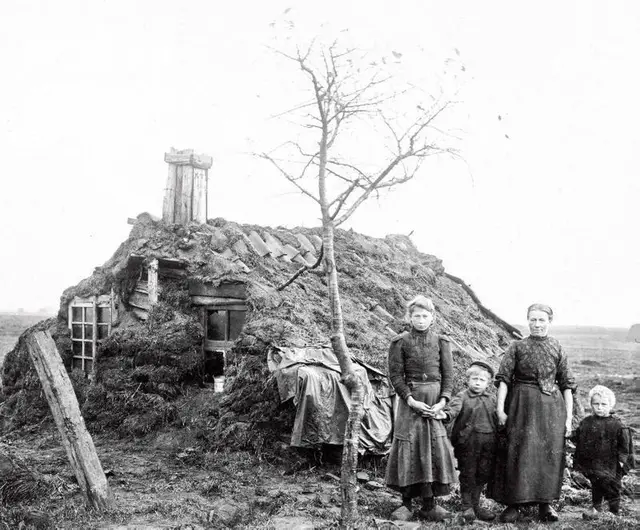
Photographer and writer Dirk Kome explores the life and work of photographer Tonnis Post (1877–1930). At a time when a photograph was a rare luxury and only a handful of people owned a camera, Post captured the waning days of the nineteenth century. Today, this photographer has been all but forgotten, but many are familiar with his photographs of people living in turf huts. Few people realise, however, that these photographs form part of a much more extensive body of work. The first factories were being built, and the first agricultural machinery was being put into use. Canals were dug by hand by labourers, and the first steam tram tracks were laid. Tonnis Post was there and captured it all. With his large, wooden plate camera and his heavy shoulder bag full of glass negatives, he cycled all over East Groningen. Bumping along muddy tracks, as there were no tarmac roads yet. Post photographed monuments to a way of life that has long since ceased to exist.
After Post’s death, his studio was dismantled. His photographs lay forgotten in archives, photo albums and shoeboxes in attics. Thanks to Komes’s search, the images are seeing the light of day again after decades and are being brought together for the first time. Taken together, the photographs showcase the body of work of an outstanding photographer and offer a unique insight into East Groningen – and, by extension, the Netherlands – at the beginning of the 20th century.
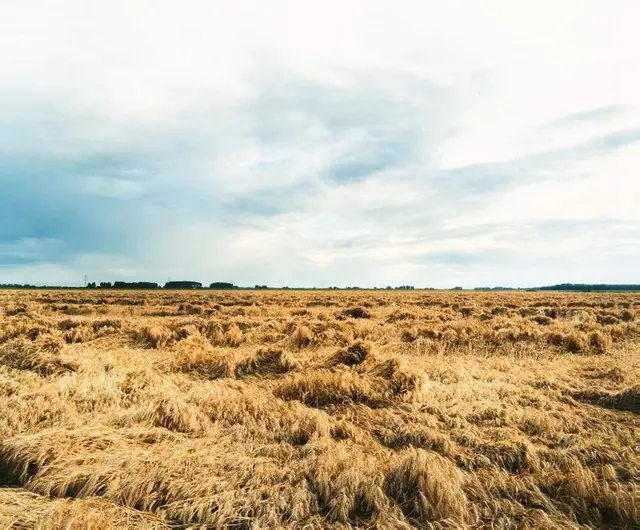
For the book, Dirk Kome has selected a wide range of Post’s photographs and describes his life and work. Whilst searching for the past, Kome also investigates what has become of the projects and people that Tonnis Post captured on film. Kome photographs the same landscapes and takes portraits of the descendants of people immortalised by Post. The book brings together the photographs of both photographers and their stories.