
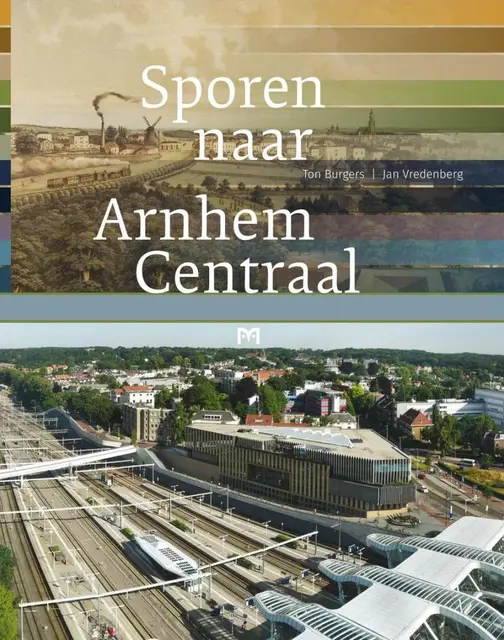
Sporen naar Arnhem Centraal
Vredenberg, Jan, Burgers, Ton
€ 18.95
In stock (only 1 copy left). Shipping € 4.55 (in the Netherlands; for other rates see Terms and shipping).
Sadly, this book has been sold.
- Author
- Vredenberg, Jan, Burgers, Ton
- Publisher
- Matrijs, Uitgeverij
- ISBN
- 9789053454992
- Language
- Dutch
- Condition notes
- 2015, 96 pp, hardback, used
- Category
- Hobby › Railways and tramways
About this book
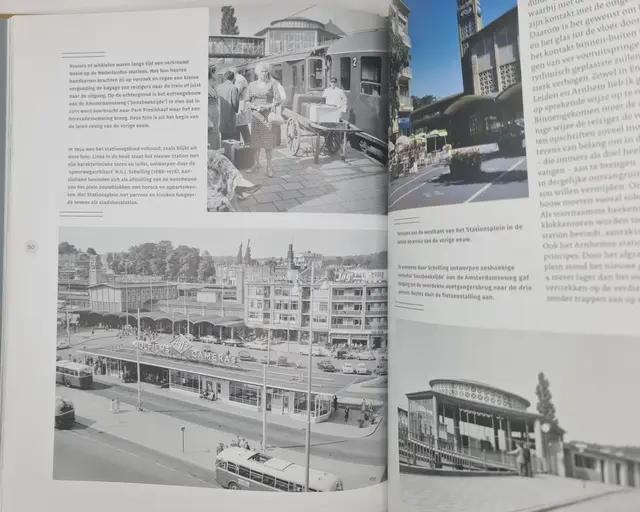
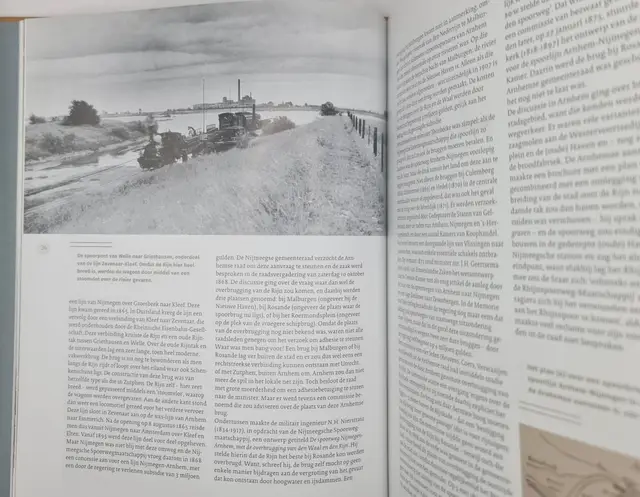
The new station in Arnhem is due to open in 2015, 170 years after the first station was built. Since 1845, the city has had four successive station buildings. In addition to this main station, there have been various smaller stations and stops over the years, the most important of which are Velperpoort, Presikhaaf and Arnhem Zuid. *Tracks to Arnhem Central* recounts the history of these stations in the context of the development of public transport around Arnhem. The book begins with the construction of the Rhine Railway and the opening of the first station in 1845. It then focuses on the expansion of the railway network in the nineteenth century, with lines to Germany, Zutphen and Nijmegen. This growth made the construction of a new, larger station necessary. The railway also influenced the city’s development. New neighbourhoods sprang up to the north of the station, and industry developed around a railway yard. Tourism also flourished, with several large hotels opening in Arnhem. After the Second World War, the largely destroyed infrastructure had to be rebuilt. In a time of scarcity, a new station was built, which soon proved inadequate for the growing number of passengers. This ultimately led, in 1997, to the launch of the Arnhem Centraal project, which, in addition to a bus and train station, included a multi-storey car park, a road tunnel, a railway viaduct, office towers and shops in the immediate vicinity. The plans were designed by Ben van Berkel’s firm, unStudio. The relatively small and steeply sloping site presented the designers with major challenges. The result is a unique station complex, in which different levels interlock and are interconnected. The completion of the new station provides an opportunity to look back on Arnhem’s railway history. Growth and modernisation, but also war and violence, meant that new stations were needed time and again. Buildings that had to meet the latest technical standards and the demands of the times.